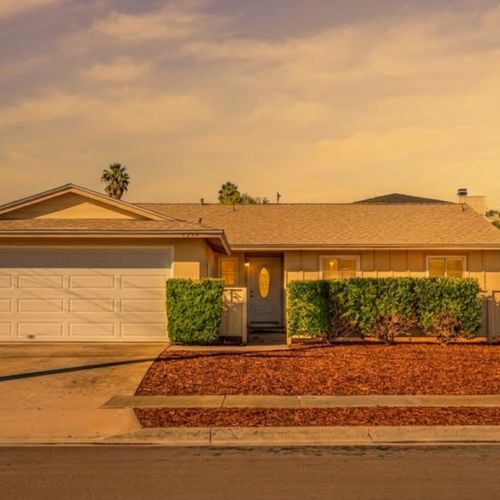

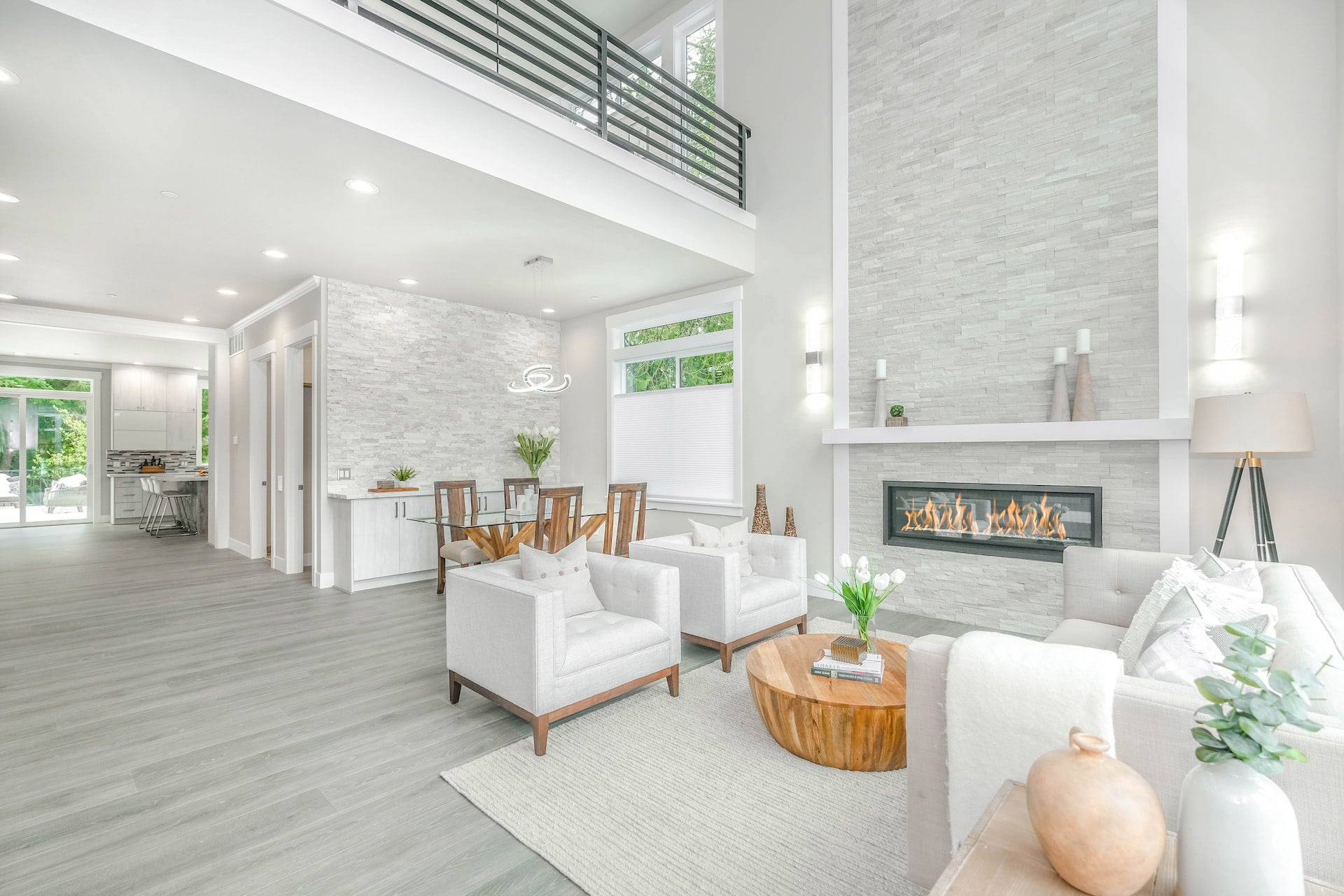

I live in Clairemont, and I'll admit something. I have a weakness for a good view. Some evenings I'll walk my dog a few streets over just to see how the light falls across the mesa.
So I understand why owners of homes with a view care so much about how much that view adds to their home's value. The question is easy to guess: "My house backs onto the canyon. That has to add something, right?"
Usually, yes. But how much depends on things a website can't see. Here's how I think about it.
Why the view is the first thing owners ask about
If you've owned your home five or ten years, you've probably watched a neighbor's house sell and wondered how yours compares. Then you looked at an online estimate. It gave you a number that felt either too low or oddly confident.
A view is the piece that's hardest to price from a distance. It's real, and buyers respond to it. It just isn't the same from one house to the next.
Two recent 92117 sales, two different views
I wasn't involved in either of these deals. But both closed recently in 92117, both are four-bedroom, three-bath homes, and together they make my point.
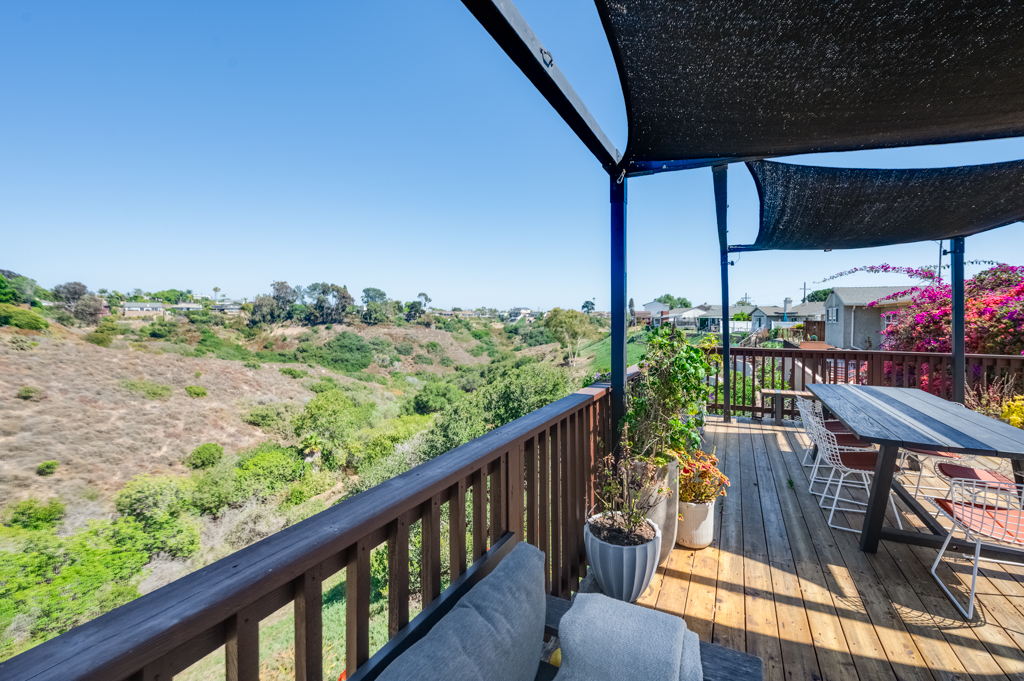
Canyon view, Wyandotte Avenue
This is a 1,850-square-foot home built in 1959, with a canyon view. It was listed at $1,349,000 in July and closed at $1,400,000 on August 25, 2026 (source: SDAR).
A canyon view usually means green space where a neighbor's back fence would be. What matters is what a buyer actually sees. A canyon you can see from the kitchen counts for more than one you only notice from the far end of the yard.
City view, Hunrichs Way in Bay Park
This one is 1,930 square feet, built in 1968, with a city view. It was listed in August at a range of $1,799,900 to $1,999,950 and closed at $1,975,000 on September 2, 2026 (source: SDAR).
A city view is a different picture. It's more about distance and light than greenery, and it looks different at noon than it does after dark.
Don't read the gap as the price of a view
It's tempting to subtract one price from the other and call the difference the value of the view. Please don't. These homes are in different pockets, built nine years apart, and I haven't walked either one. I can't tell you from a spreadsheet how much of that gap came from the view.
That's exactly why I price street by street, not from a headline number.
And the Mission Bay glimpse
On parts of the west side of Clairemont, you can catch a piece of Mission Bay. I use the word "glimpse" on purpose. A full, open view and a slice of water between two rooflines are not the same thing, and an honest listing says which one it is.
Why an online estimate can't see your view
An online estimate works from public records and recent sales. It knows your bedroom count, lot size and the year the house was built. It doesn't know what you see from the back deck.
That means it can miss in either direction. It may undervalue a home whose best feature isn't in the data. It may also treat two homes as alike when one has a view and the other doesn't. I'd rather you hear that from me than from an estimate you can't question.
How I put a number on it
I don't start with the view. I start with the house.
First, I figure out what a comparable home without the view would sell for on your street. Then I look at recent nearby sales that did have a view, and I ask what those buyers seemed to value. I stand in your backyard and look at what's really there. I note what a buyer would see at 10 a.m. and at sunset.
Pricing is a lot like seasoning when I cook. I spent about 20 years as a chef before real estate, and the lesson carries over. Too little and you leave something on the table. Too much and you can't take it back. A price set high because of the view can sit, and a house that sits starts to feel stale to buyers.
I won't hand you the number that wins me the listing. I'll give you the real one and show you how I got there.
What I'd tell a move-up owner
If you're thinking about moving up, ask yourself one question. Is the view what you're selling, or what you're giving up? If your next home won't have one, that's worth thinking through before you list, not after.
It also helps to plan where you'll land first. If you're juggling both sides of the move, I wrote about how I'd actually decide whether to sell first or buy first. And if you're getting ready to list, here's what I check before a Clairemont home goes on the market.
One more candid point. If your view is mostly a nice extra and not a major draw, I'll say so. Sometimes the best advice is that the view won't change the price much, and the smart move is to put your energy into the things that will.
Want the real number for your street?
If you're curious what your Clairemont home would sell for, I'll give you the honest number, view included. Find your home's value here. No pitch, no pressure.
Or send me a note and tell me what you see from your backyard. I'd like to hear it. Hablo español.
Richard Torres, REALTOR® | Shore Realty | CA DRE #02006826 | 858-735-3225
Your Home. Your Story. Your San Diego.
Check out this article next