

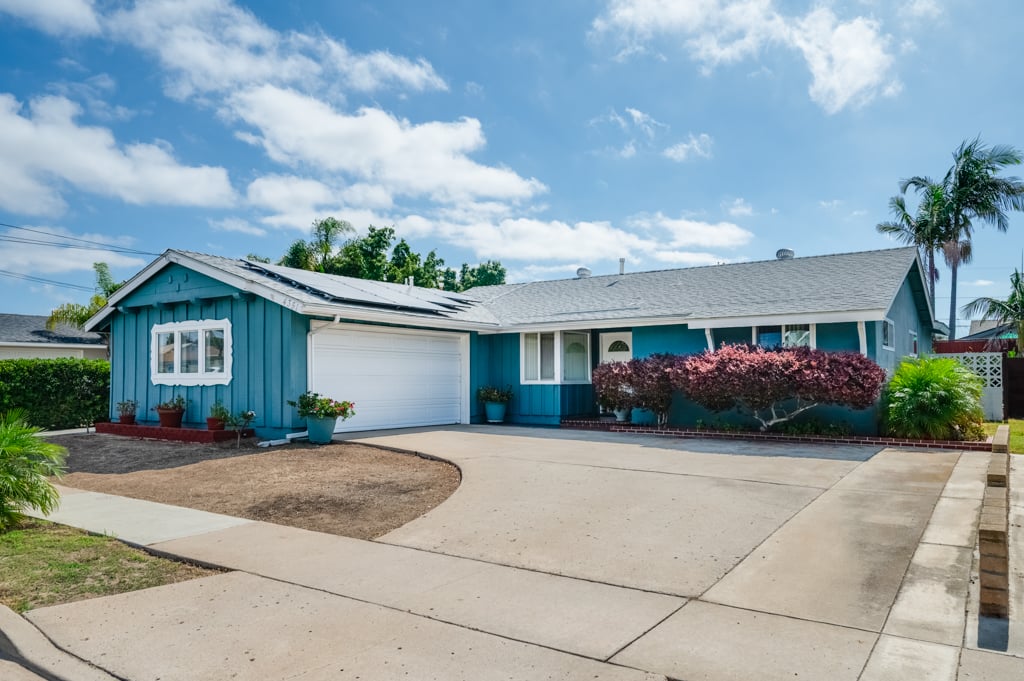
Clairemont is where I do most of my work, and one thing I've learned here is that the house tells you its age. Most of the neighborhood was built in the 1950s and '60s: single-story ranches, wide front windows, big lots on the mesa and along the canyon rims. Buyers love that. They also bring inspectors, and those inspectors know exactly where homes from that era tend to have surprises.
So before I list a Clairemont home, I walk through it the way a buyer's inspector would. I'm not trying to find reasons to spend your money. I want to know what's coming so we can decide how to handle it on your terms, before you're in escrow and on a deadline.
These are the four things I look at first.
1. The sewer lateral
The sewer lateral is the pipe that runs from your house out to the main line under the street. In many original Clairemont homes, it's still the clay pipe that went in when the house was built. After sixty-plus years, tree roots, shifting soil and simple age can crack or offset those joints.
In the City of San Diego, that line is generally the homeowner's responsibility. Buyers' agents know it, so a sewer scope has become a normal part of inspections here.
What I suggest: Have the line scoped with a camera before we list. It's one of the least expensive checks you can do, and it takes the most common escrow surprise off the table. If it's clean, that report becomes a selling point. If it isn't, you get to choose how to handle it: repair it, get a bid and adjust the price, or offer a credit. The alternative is negotiating after a buyer finds it.
2. Permits on additions and conversions
Clairemont homes have been lived in and added to for decades. Converted garages, enclosed patios, a bedroom or bathroom added in the '70s or '80s. Some of that work was permitted and some wasn't, and plenty of sellers honestly don't know, because it was done before they bought.
It matters for three reasons:
- Appraisal. Appraisers may not count unpermitted square footage the same way, which can affect value.
- The buyer's lender and insurer may ask questions.
- Disclosure. California requires sellers to disclose what they know about the home, including work done without permits.
What I suggest: Before we set a price, I'll help you pull the permit history so we know what's on record. Then we describe the home accurately, price it on solid ground, and go into escrow with no surprises about square footage.
3. The electrical panel
Homes from this era often still have their original electrical panel, or a replacement that's itself decades old. Certain panel brands from the mid-century period get extra attention from home inspectors and some insurance companies. Older homes may also have a smaller service than today's buyers expect once they picture an EV charger, a heat pump, or a remodeled kitchen.
What I suggest: Take a photo of your panel with the door open and send it to me, or have an electrician look at it. If it tends to raise flags, you'll know before a buyer does. Sometimes replacing it is the right call. Sometimes it's better to price around it. Either way, it should be your decision, not something forced on you mid-escrow.
4. The lot itself
This is the fun one. Clairemont lots can be special. Some back onto Tecolote Canyon or San Clemente Canyon, and some on the west side catch a glimpse of Mission Bay. Many have the kind of yard space that's hard to find closer to the coast.
None of that sells itself if the photos and description don't show it. I plan the listing around what makes your lot different: when to shoot, which way to face the camera, and what to say about it. A canyon view at golden hour and a canyon view at noon are two very different listings.
What I suggest: Tell me what you love about the yard and the view. You've lived there, and you know when it looks best.
What this doesn't mean
It doesn't mean you need to remodel before you sell. Most of the time the goal isn't to make the house perfect. It's to know what a buyer will find, then decide ahead of time whether to fix it, disclose it and price for it, or offer a credit. Sellers who do that go into escrow calmer, and they get fewer surprise repair requests.
If you want to see how I think about the bigger decision behind all this, read the only question I ask before I list your home. If you're selling and buying at the same time, I also wrote about whether to sell first or buy first. If you're still deciding which part of San Diego fits your next chapter, start with how to find the neighborhood that fits you.
Thinking about selling in Clairemont?
If you're thinking about selling in the next year, I'm happy to walk through your home with you. I'll tell you what I'd fix, what I'd leave alone, and where I think it would land. There's no pressure and no obligation, just a clear picture so you can plan.
Call or text me at 858-735-3225, or reach out here.
— Richard Torres, Realtor | Shore Realty | CA DRE# 02006826
Your Home. Your Story. Your San Diego.
Check out this article next